
4th Edition of Psychiatry and Addiction World Conference 2026
Speakers - pawc2026
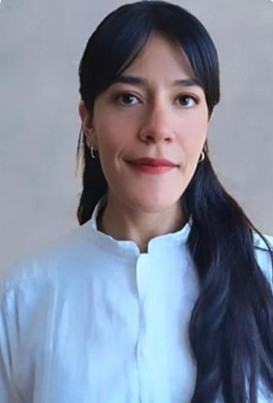
Sandra Sofia Zapata Peralta
Sandra Sofia Zapata Peralta
- Designation: Department of Mental Health, Hospital General Regional, Mexicano del Seguro Social (IMSS),
- Country: Mexico
Biography
Dra. Sofía Zapata is an early-career psychiatrist from Mexico who recently completed her specialty training and currently works at Hospital General Regional, C/MF No. 1, Instituto Mexicano del Seguro Social (IMSS), Cuernavaca, Morelos, Mexico. She earned her Medical Degree from the Universidad Autónoma de Guadalajara and completed her Psychiatry residency at the Hospital Psiquiátrico de Campeche, accredited by the Universidad Autónoma de Campeche.
Her clinical practice within the Mexican public healthcare system has strengthened her commitment to addiction psychiatry, particularly the comprehensive care of individuals with substance use disorders, dual diagnosis, and other vulnerable populations through a biopsychosocial and gender-responsive approach.
Dr. Zapata has presented scientific work at national psychiatric meetings, including a poster entitled "LGBTIQ+ Patient Care Protocol at the Campeche Psychiatric Hospital" at the 2023 Mexican Psychiatric Association Congress, and she participated as a speaker at the 2025 Mexican Psychiatric Association Congress in the symposium "Diagnosis of Borderline Personality Disorder in Adolescents: Evidence, Risks, and Clinical Perspectives." She has also contributed to a medical educational publication for Armstrong Laboratories focusing on substance use disorders.
Her academic training includes diplomas in Neurobiology of Human Behavior and Health Research Methodology. She is especially interested in understanding barriers to mental healthcare, implementing evidence-based psychiatric interventions, and exploring the intersection of gender, trauma, and addiction. Her emerging research focuses on developing clinically relevant, gender-responsive frameworks to improve access, engagement, and continuity of addiction treatment in Latin America. Through international collaboration, she hopes to contribute to advancing equitable, biopsychosocial approaches to addiction care and to build a career dedicated to research, clinical innovation, and public mental health.
The 4th Edition of the Psychiatry and Addiction World Conference, PAWC 2026, is a not-to-be-missed intern ...
Read More>>
Organizer
