
4th Edition of Psychiatry and Addiction World Conference 2026
Speakers - pawc2026
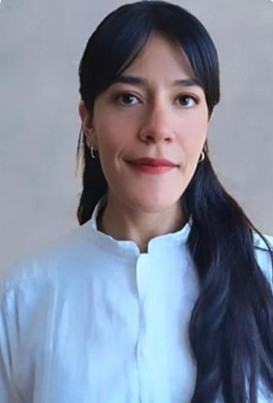
Sandra Sofia Zapata Peralta
Sandra Sofia Zapata Peralta
- Designation: Department of Mental Health, Hospital General Regional, Mexicano del Seguro Social (IMSS),
- Country: Mexico
- Title: The Invisible Treatment Gap Mapping Gender Related Barriers Across the Addiction Care Continuum for Women with Substance Use Disorders in Latin America
Abstract
Background: Women with substance use disorders (SUD) experience a unique combination of biological, psychological, social, and structural vulnerabilities that profoundly influence their access to addiction treatment. Despite increasing recognition of gender-responsive care, women remain substantially underrepresented in treatment services worldwide. In Latin America, available evidence is fragmented, while cultural gender norms, stigma, caregiving responsibilities, violence, and limited access to gender-sensitive services continue to shape treatment trajectories. Current literature has largely described these barriers individually, but little attention has been given to understanding where women are systematically lost throughout the continuum of addiction care.
Objective: This presentation introduces an ongoing systematic review designed to identify, synthesize, and organize the existing evidence on gender-related barriers and facilitators influencing women's progression across the addiction care continuum in Latin America. Beyond summarizing the literature, the review aims to develop a clinically applicable conceptual framework that supports gender-responsive psychiatric assessment and addiction treatment planning.
Methods: A systematic review is being conducted following PRISMA 2020 recommendations. Searches include MEDLINE/PubMed, PsycINFO, Scopus, Web of Science, LILACS, SciELO, and selected grey literature. Qualitative, quantitative, and mixed-methods studies published. Evidence will be synthesized using a narrative and thematic approach to identify barriers operating at different stages of care, including recognition of problematic substance use, disclosure, help-seeking, treatment entry, treatment retention, and long-term recovery.
Preliminary Conceptual Framework: Rather than viewing barriers as isolated factors, this work proposes the Women's Addiction Care Continuum, a stage-based model integrating structural, health-system, interpersonal, and individual determinants that influence women's engagement with addiction services. This framework seeks to translate evidence into a practical approach that allows clinicians to identify where disengagement occurs and which modifiable barriers can be addressed during psychiatric assessment and treatment.
Clinical Relevance: By integrating evidence through a gender-informed and trauma-informed perspective, this review aims to provide psychiatrists and addiction professionals with a clinically useful framework applicable to both high-resource and resource-limited settings. The proposed model may facilitate earlier identification of vulnerable women, improve engagement in treatment, strengthen retention strategies, and support the implementation of more equitable addiction services.
The 4th Edition of the Psychiatry and Addiction World Conference, PAWC 2026, is a not-to-be-missed intern ...
Read More>>
Organizer
